Guides
Catering Cost Breakdown
Catering costs usually look simple—until you see food, staffing, delivery, rentals, and required minimums. Here’s a clear breakdown of what makes your all-in price go up or down, and what to ask so you’re not surprised.
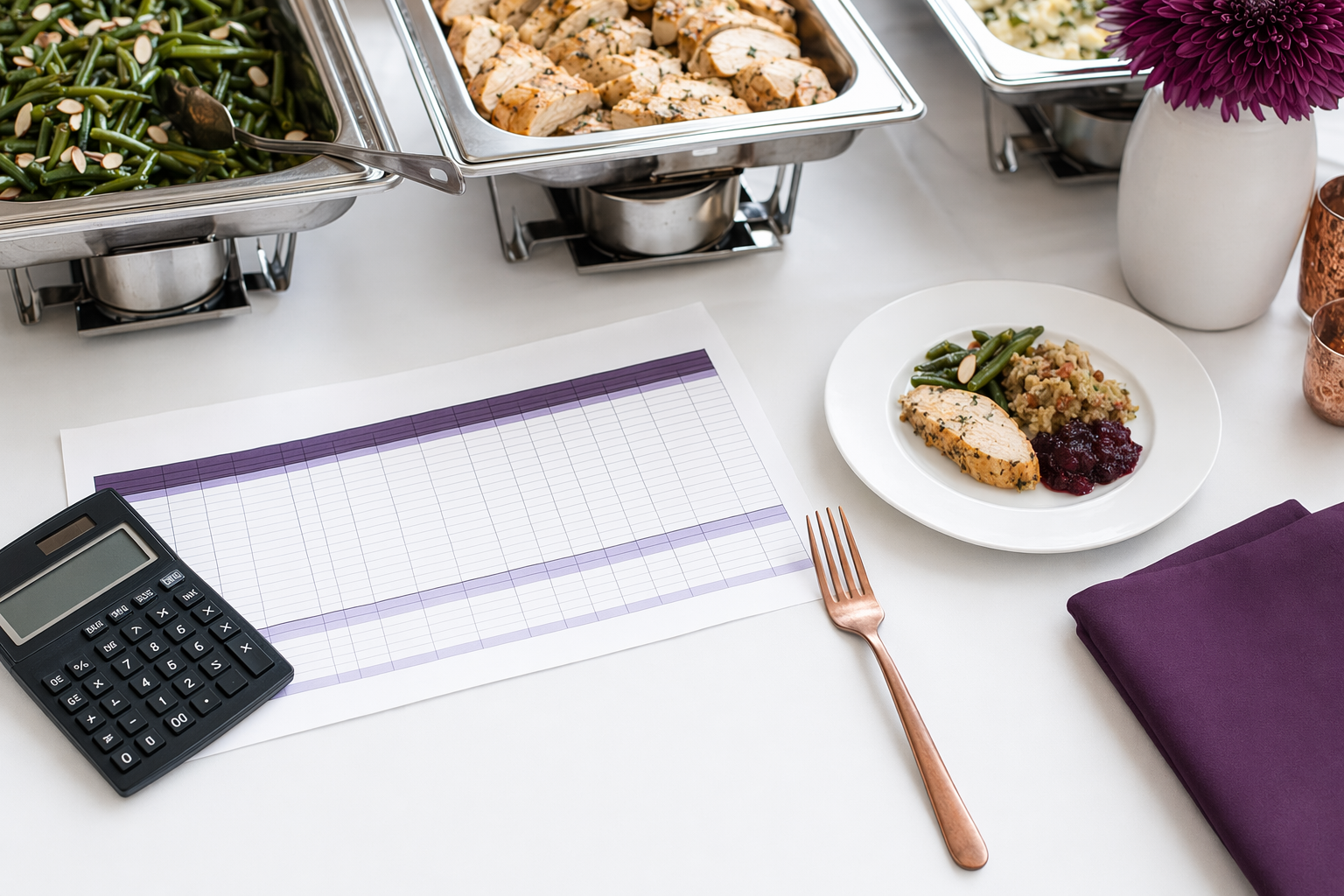
Quick answer: what you pay for (all-in matters)
Most catering invoices add up to an all-in price per guest (or a minimum total) plus extras. The “headline” per-guest food price is only one part—your final number often changes after service charge/gratuity, staffing, rentals, delivery/setup, and any minimums.
Tablefare is a FREE matching service that helps you compare caterers near you—so you can ask the right questions and compare like-with-like. We don’t cook, serve, or set prices, and we can’t guarantee availability or a specific total.
A helpful way to think about your budget:
- Food (what you eat)
- Service (how staff and time are covered)
- Logistics (delivery, setup, rentals)
- Rules (minimums, deadlines, overtime)
If you’re trying to stay in budget, the goal is to compare the all-in cost per guest for your exact service style (drop-off vs. full-service vs. stations vs. plated).
- Never compare caterers using only the first number you’re quoted—always ask for the all-in breakdown.

Typical per-guest cost ranges (not quotes)
Because prices vary a lot by city, season, menu, and guest count, these ranges are general—your local quotes may be higher or lower. Also, the biggest swing often comes from service style and staffing, not just “how fancy” the food is.
Common planning ranges for food and service are often roughly:
- Drop-off (boxed meals / platters, basic warmth/holding): ~$15–$45 per guest for food, then add delivery/setup if needed.
- Food stations (staffed or semi-staffed): ~$25–$70+ per guest.
- Full-service (attendants, warming/clearing, guest support): ~$35–$100+ per guest.
- Plated service (server-heavy, courses): ~$70–$180+ per guest.
Important: many caterers also have minimums (like a minimum total spend, a minimum guest count, or a minimum staffing fee). That means a 30-guest event may cost more per person than a 120-guest event, even if the menu is similar.
To compare fairly, ask every caterer for the same list of line items—food price, service charge/gratuity, staffing hours, rentals, delivery/setup, and any minimums—before you decide. If you want to start exploring options, you can begin with getting matched.
- Ranges are planning tools—not promises. Confirm the price per guest and the date in writing before paying any deposit.
Where the money hides: line items to expect
Here are the most common parts of a catering bill, in plain language. When you ask for an itemized quote, you’re basically asking them to tell you what’s included—and what isn’t.
1) Food (per-guest or per-item)
This is your menu cost: proteins, sides, sauces, breads, desserts, and sometimes beverages. More variety and premium items usually move the number up.
2) Service charge / gratuity (often added on top)
Many caterers add a service charge and/or gratuity for the staff time, coordination, and service. This can be a flat fee or a percentage, depending on the contract. Either way, it changes the all-in price per guest—so ask for it explicitly.
3) Staffing (how many people, for how long)
Staffing needs depend on service style: drop-off typically needs fewer staff; stations need attendants; plated service often needs servers and kitchen/service coordination. Staffing and travel time can increase with peak seasons and longer event windows.
4) Rentals (if you don’t already have them)
Tables, chairs, linens, serving utensils, plates, chafers, podiums, and sometimes trash/cleanup supplies may be rented. Even “basic” rentals can surprise people.
5) Delivery + setup/cleanup
Some quotes include delivery and setup; others charge separately. Ask about how early they arrive, whether setup includes arranging food displays, and what “cleanup” means (dishes only? trash? leaving tables as-found?).
6) Beverages, bartender fees, and non-alcoholic options
If you’re doing alcohol service, you may see bartender fees, ID/security requirements, and sometimes additional staffing hours. Non-alcoholic beverage packages can still add cost, especially with refills and disposables.
7) Minimums and deadlines
Common fine print includes food-and-beverage minimums, final headcount deadlines, and rules around changes after that date.
Before paying a deposit, confirm everything in writing and read the full contract and final invoice. If you want a quick checklist, see cost help and service styles.
- Good quotes itemize: food, service/gratuity, staffing, rentals, delivery/setup, beverages, and any minimums.
What drives the price up or down (your menu isn’t the only factor)
If you’re budgeting with a rough guest list, these are the most common levers that change your final number. When you compare caterers, treat these as variables—not “quality judgments.”
Big cost drivers:
- Guest count: Larger events can lower per-guest costs when minimum staffing and fixed rentals spread out.
- Service style: Full-service, stations, and plated service usually cost more than drop-off because they require more staff time and equipment.
- Menu complexity: Multiple proteins, custom sauces, passed apps, and high-demand items (seafood, premium cuts, elaborate dessert displays) tend to increase costs.
- Day and season: Weekends, holidays, and peak seasons often cost more due to demand and staffing.
- City and travel: Distance and travel time can affect delivery/setup fees. Rural or hard-to-access locations can cost more.
- What’s included: Are linens, chafers, serving staff, and basic disposables included or extra?
- Beverages and alcohol: Bartender staffing, glassware, mixers, and drink package structure can shift the total.
Common ways hosts lower costs without “downgrading the vibe”:
- Choose one or two station themes instead of many options.
- Reduce passed apps or upgrade later with a dessert add-on.
- Consider drop-off for smaller events or off-peak days.
- Match service style to your venue reality (some venues require specific setup or extra rentals).
If you’re not sure which service style fits your event, start with services and check your event details in events.
- The cheapest option on paper may not be the cheapest all-in once you add staffing, rentals, and minimums.
Questions to ask (so quotes are comparable)
Ask for the same information from every caterer. This prevents you from comparing a “food price” from one company to a “full package” from another.
Use this as a quick list:
- What is the per-guest food price, and what exactly does it include?
- Is there a food-and-beverage minimum? If yes, what is it?
- Is a service charge and/or gratuity included? How is it calculated?
- What staffing is included (how many staff, what roles), and for how many hours?
- Do you charge extra for setup and cleanup? What does cleanup include?
- Are rentals included (tables/chairs/linens/chafers/serving ware/plates/utensils)? If not, what are the rental fees?
- What delivery fee applies (and how is it affected by distance)?
- What happens if my guest count changes after the final headcount deadline?
- Are there overtime fees if the event runs late?
- Are there cake-cutting fees or corkage fees (if we bring a cake or drinks)?
- If alcohol is included: do you provide bartenders, and what are the bartender and glassware fees?
Red flags to watch for (not every issue is bad, but it’s worth clarifying):
- A quote that doesn’t list service/gratuity, staffing hours, rentals, and delivery/setup.
- Vague minimums (“minimum spend applies”) with no number.
- No mention of deadlines, cancellation terms, or overtime.
- Pricing that seems to change based on details they didn’t disclose.
And remember: Tablefare helps you compare caterers. You stay in control—ask for itemized details, request written confirmations, and only commit when the all-in cost and inclusions are clear. If you’d like to start the process, you can use get matched.
- The fastest way to avoid surprises: ask every caterer for an itemized breakdown before you book.
Fine print that can change your final invoice
Even well-run catering contracts have details that affect price and timing. You don’t need to become a lawyer—just know what to look for so you can plan with confidence and ask the right questions.
Common contract terms:
- Deposit requirements: Ask how much, when it’s due, and what happens if plans change.
- Final-headcount deadline: Many caterers lock pricing based on a final number.
- Cancellation terms: Timeframes can change what you keep or pay.
- Overtime fees: If staffing runs beyond planned hours, fees may apply.
- Minimums: Food-and-beverage minimums or required spend can push costs up, especially for smaller events.
- Payment schedule: Clarify when the remaining balance is due.
- Gratuity/service charge rules: Some contracts include service charge by default; others add it.
- Rentals and damage fees: Linens and equipment may be billed if something is missing or broken.
Important note: this is general planning information, not legal or financial advice. For legal or tax questions, rely on licensed professionals and the caterer’s own contract.
If you want a gentle way to plan your next step, you can review help and start a matching request with your event type, city/ZIP, rough date, guest count, and service style. That helps caterers quote the right setup the first time.
- Always read the full contract and final invoice before paying a deposit or signing.
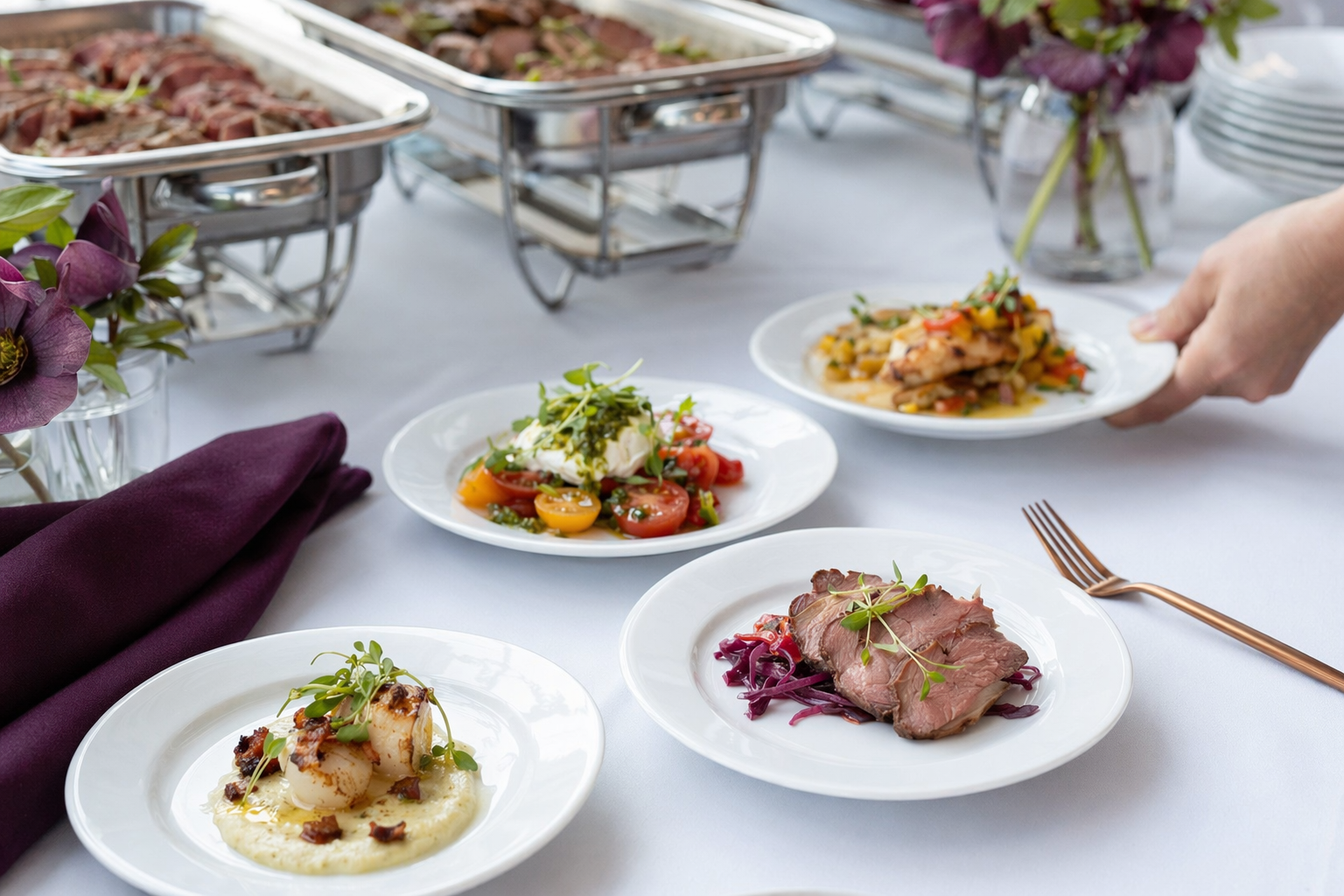
Catering costs come from more than just the food—staffing, service/gratuity, rentals, delivery/setup, minimums, and deadlines often shape your true all-in per-guest total, so ask for an itemized breakdown before you pay anything.
Common questions
Why does the per-guest food price look low, but the final bill is much higher?
Often the quote you see first is only the food component. The final total commonly increases due to service charge/gratuity, staffing time, rentals, delivery/setup, and food-and-beverage minimums. Ask every caterer for an itemized, all-in breakdown so you’re comparing the same things.
Is drop-off always the cheapest catering option?
Usually it’s lower than full-service, but not always. If you need rentals, extra delivery/setup, larger quantities, or strict minimums, the all-in cost can narrow the gap. The best comparison is all-in per guest for your exact service style and guest count.
What should I use as my budget number—food per guest or all-in per guest?
Use all-in per guest (food + service/gratuity + staffing + rentals + delivery/setup + beverage fees, if any). Food-only estimates can mislead you when minimums or staffing costs apply.
Do prices change a lot by day of the week or season?
Yes. Weekends, holidays, and peak seasons often cost more because demand and staffing needs are higher. Your local market and the event date can shift pricing, so confirm availability and pricing in writing.
What questions matter most to prevent surprise charges?
Ask about service charge/gratuity, staffing hours, rentals, delivery/setup/cleanup, final headcount deadline, food-and-beverage minimums, overtime, and any cake-cutting or corkage fees. Also request that the quote be itemized and confirm what happens if your guest count changes.