Guides
How Much Food to Order for Your Event
Ordering the right amount of food is how you avoid both “too little” stress and “why did we pay for that?” surprises. Here’s a practical way to estimate portions, plus what caterers usually mean by headcount and plus-ones.
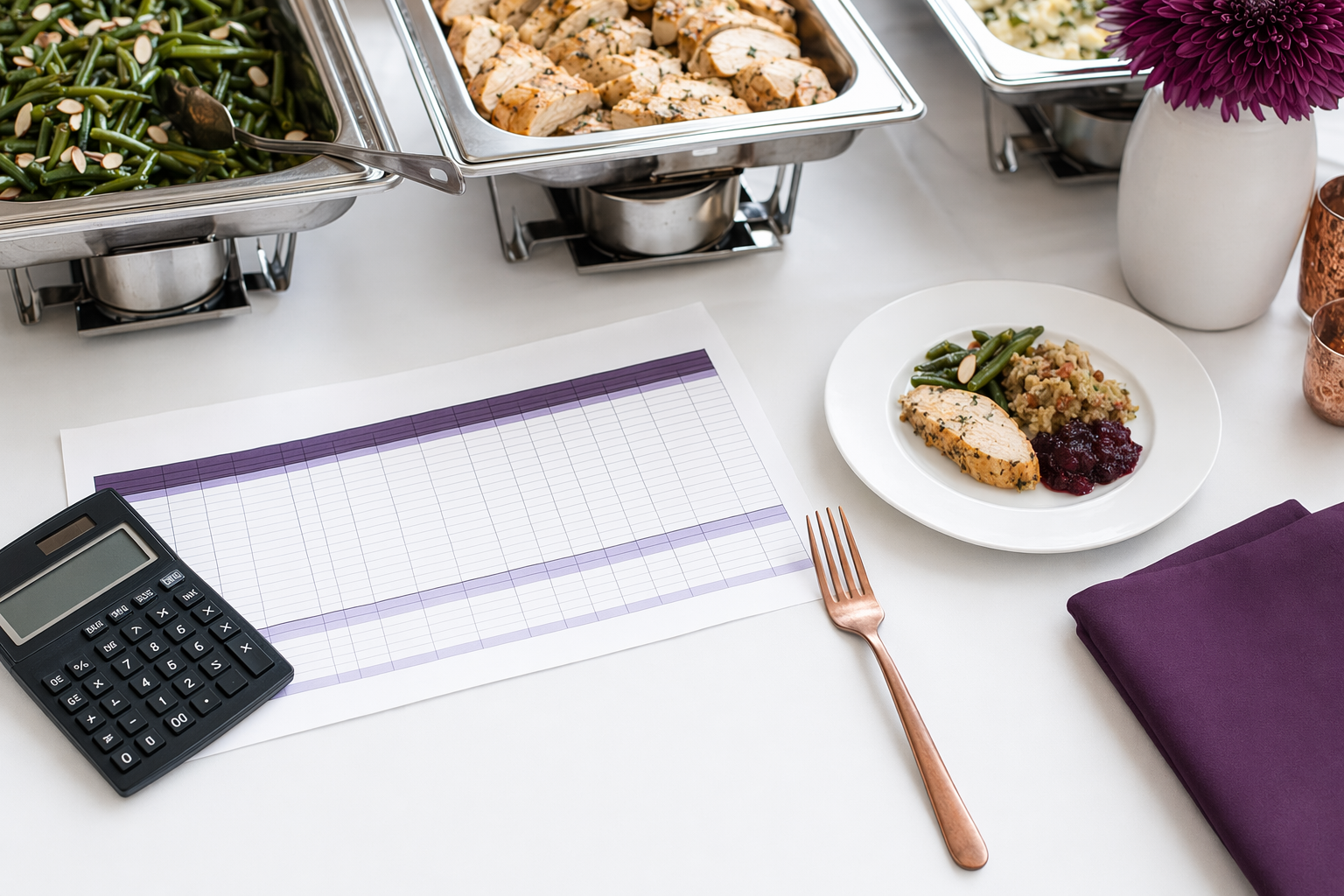
Start with the basics: what meal is it, and how long is your event?
The fastest way to get food quantities right is to match your plan to the time of day and the style of your event. A light drop-off snack and a full plated dinner are counted very differently—so caterers will price and portion them differently.
Tablefare is a free matching service that connects you with caterers to quote. We don’t cook, serve, or set prices, so use this guide to talk clearly with caterers and confirm quantities in writing before you pay any deposit.
If you’re unsure, tell the caterer what you’re serving and for how long guests will be eating (for example: 2 hours of mingling with appetizers, or 90 minutes with dinner service). That context is usually what determines how many portions to prepare.

Quick portion guide (most common event types)
Use these as starting points—then adjust for your crowd (hungry teens, big sports appetite, or a more “chatty” crowd where people snack all night). Caterers may recommend a slightly different approach based on their menu and service style.
1. Breakfast / brunch (typically 2–3 hours)
- 1 main portion + 1–2 small add-ons (pastry/bite-size fruit, etc.) per person
2. Lunch (typically 1.5–2.5 hours)
- Plan about 1 full lunch portion per person
- If there are speeches or lots of standing, consider an extra snack/appetizer pass
3. Dinner / evening meal (typically 2.5–4 hours)
- 1 main dinner portion per person
- Plus some “warm welcome” or passed bites for the first 30–60 minutes (or heavy appetizers if you’re not doing a plated meal)
4. Appetizers + light buffet / cocktail party (typically 2–4 hours)
- Plan roughly 3–6 bites per person across the event window (more if the crowd eats slowly or stays longer)
5. Drop-off gatherings (shorter, more casual)
- If it’s truly a “grab and go” spread, you can often start with slightly more than you’d think, because portions are smaller and people serve themselves in different ways
How caterers count heads (and how plus-ones usually work)
Most caterers count from your final guest list, then prepare food for a specific headcount. That’s why plus-ones can matter: a “maybe” plus-one can quietly become a real eater on the day.
Here’s the practical way to protect your budget: treat your “rough guest count” as a starting estimate, then work toward a written final number by the caterer’s deadline. Many contracts include a final-headcount cutoff, after which changes may cost extra or may not be guaranteed.
When you confirm your quote, ask what they mean by:
- “Guaranteed headcount” (what they will bill for)
- “Overage” or “extra” portions (if you want a cushion)
- How they handle plus-ones or name changes
- Whether kids are counted the same as adults (and if there’s a child portion option)
Cost reality: what “too little” and “too much” can cost you
Catering pricing is often described as a per-guest number, but the final total can change based on how you’re served and what’s included. Even if the caterer quotes you a per-guest price, you’ll still want the all-in invoice numbers so you know exactly what you’re paying for.
Typical per-guest food + service ranges (very general, not quotes) can look like:
- Drop-off / delivery only: about $15–$45 per person (can be lower or higher depending on menu and dietary needs)
- Buffet / food stations: about $25–$70 per person
- Plated dinner (with staffing and table service): about $50–$120+ per person
What drives the price up or down:
- Menu complexity (premium proteins, seafood, multiple courses)
- Service style (drop-off vs staffed buffet vs plated)
- Staffing needs (servers/bartenders, number of hands per guest)
- Day and season (busy weekends, holidays, peak summer demand)
- What’s included (chafers, set-up/clean-up, rentals, beverages, dessert)
- Guest count (smaller events can cost more per person because fixed labor/setup stays similar)
Fine print items to watch so you don’t get surprised:
- Food-and-beverage minimums (some caterers require a minimum total even for smaller groups)
- Service charge / gratuity (often added on top of per-guest)
- Delivery/setup fees, rentals, overtime
- Deposit amount and what it applies to
- Cancellation terms and how dates are held (if they are)
To stay in control: confirm the price per guest and the final included list in writing, and ask for the all-in total estimate, not just the starting number.
Questions to ask caterers (so you order the right amount)
When you talk to caterers, aim for clarity on portions and what you’re buying. These questions usually get you the most useful answers fast:
- “What portion size do you typically plan for this menu?”
- “How do you recommend adjusting for our guest count and event length?”
- “What happens with plus-ones or last-minute changes after the headcount deadline?”
- “Do you price based on the guaranteed number, or an expected number?”
- “If we want extra food for a buffer, what does that cost?”
- “What’s included in your per-guest price—food only, or staffing, setup, and clean-up too?”
- “Are there any minimums for delivery, staffing, or beverages?”
Red flags (common warning signs):
- They won’t say what’s included vs not included.
- They only quote a single per-guest number without the other fees (service charge/gratuity, delivery, rentals).
- They’re vague about the guaranteed headcount or final deadline.
- They can’t explain whether kids count differently.
If tasting/sample is available, tasting can be a great way to set your expectations for portion sizes and quality. For budget planning, focus on the all-in cost per person and make sure the plan matches how your guests actually eat.
A simple way to choose your “cushion” without overpaying
If you’re nervous about running short, you don’t always need to order a huge extra amount. A better approach is to ask caterers what buffer options they offer.
Consider this approach:
- Build your plan around the guaranteed headcount.
- Decide whether you want a small overage (often enough for some late additions or second helpings), then ask the caterer how they price it.
- If your event includes a lot of appetizers before dinner, you may need less “extra” than a plan with only one meal moment.
Finally, remember that food doesn’t have to be perfect the day-of to be successful—you can often plan leftovers for later, but the cost and packaging rules vary by caterer. If leftovers matter to you, ask how they handle packaging and whether there’s a limit.
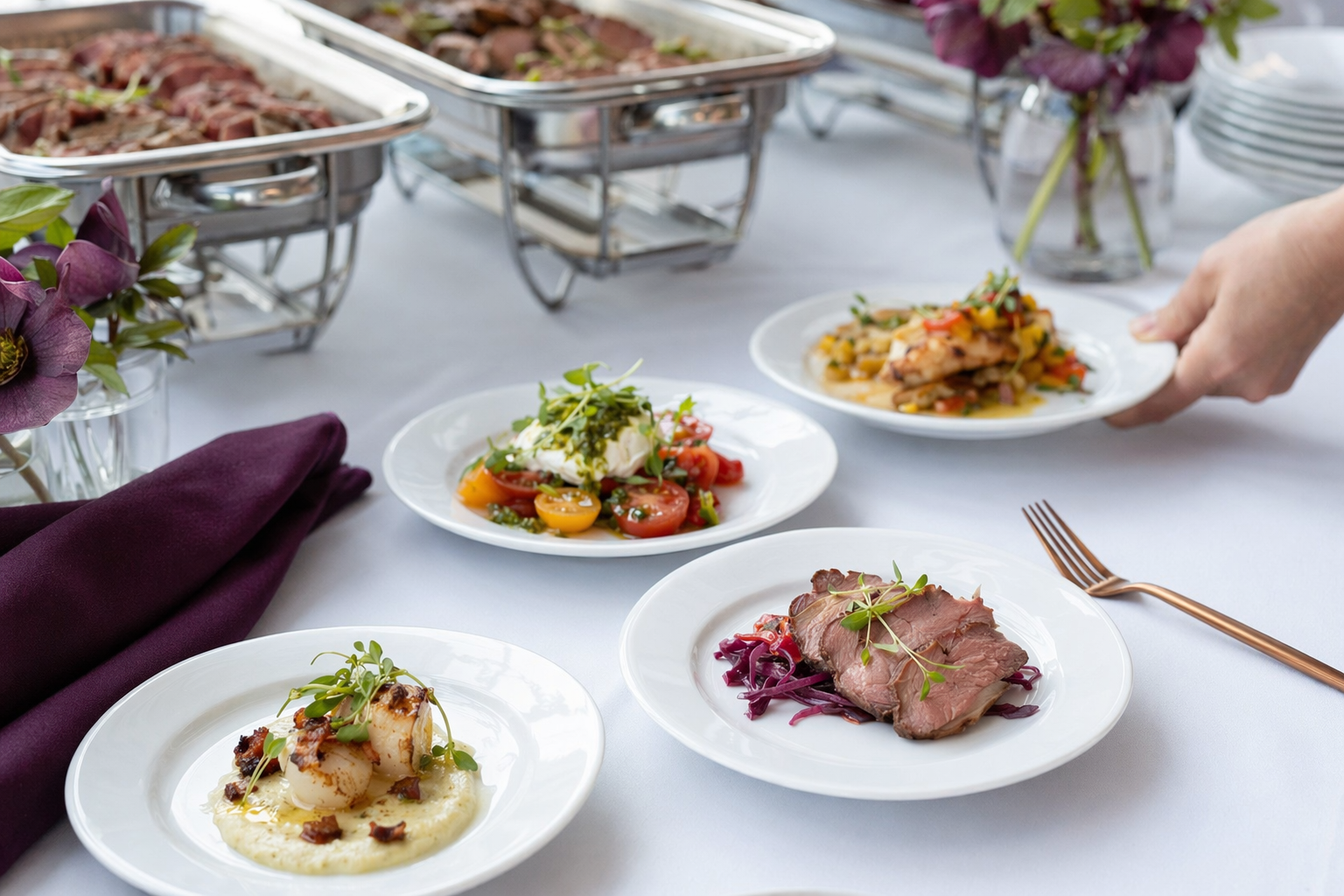
Plan food by your event type and length, confirm how the caterer counts guaranteed heads and plus-ones, and base your budget on the all-in per-person total (including service charge and fees) so you don’t overorder or get surprised.
Common questions
What if my guest count isn’t final—how many extra should I order?
Many caterers prepare based on a guaranteed headcount and charge for that number. Instead of guessing a big overage, ask what portion buffer they recommend for your event length and whether extra servings can be added (and at what cost) if your list grows.
Do caterers count adults and kids the same way?
Often they don’t. Ask whether kids are counted as full portions, whether there’s a child portion option, and how they handle ages or small appetites.
Is it better to order more food to be safe or ask for a more “lean” amount?
If you order too little, you can end up paying for emergency add-ons or losing the experience. If you order too much, you may pay for food you can’t fully use. A good balance usually comes from confirming portion sizing, event duration, and plus-one rules with the caterer—then adding a small, priced buffer.
Why is there a minimum even when my guest list is small?
Some caterers have food-and-beverage minimums or fixed labor/setup costs. For smaller events, those costs spread across fewer guests, which can raise the per-person total. Ask for any minimums and what they include.
What’s a service charge/gratuity, and should I expect it on top of the per-guest price?
Many catering contracts add a service charge/gratuity on top of the food or per-guest price. Request the full all-in estimate, including service charge/gratuity, delivery/setup, rentals, bartender fees, and any other line items.