Quick answers
Can I negotiate the catering price?
Sometimes you can negotiate—especially on menu, guest count, and extras—but you’ll usually get the best result by comparing the all-in price in writing. Tablefare is a free way to get matched with local caterers to quote and compare.
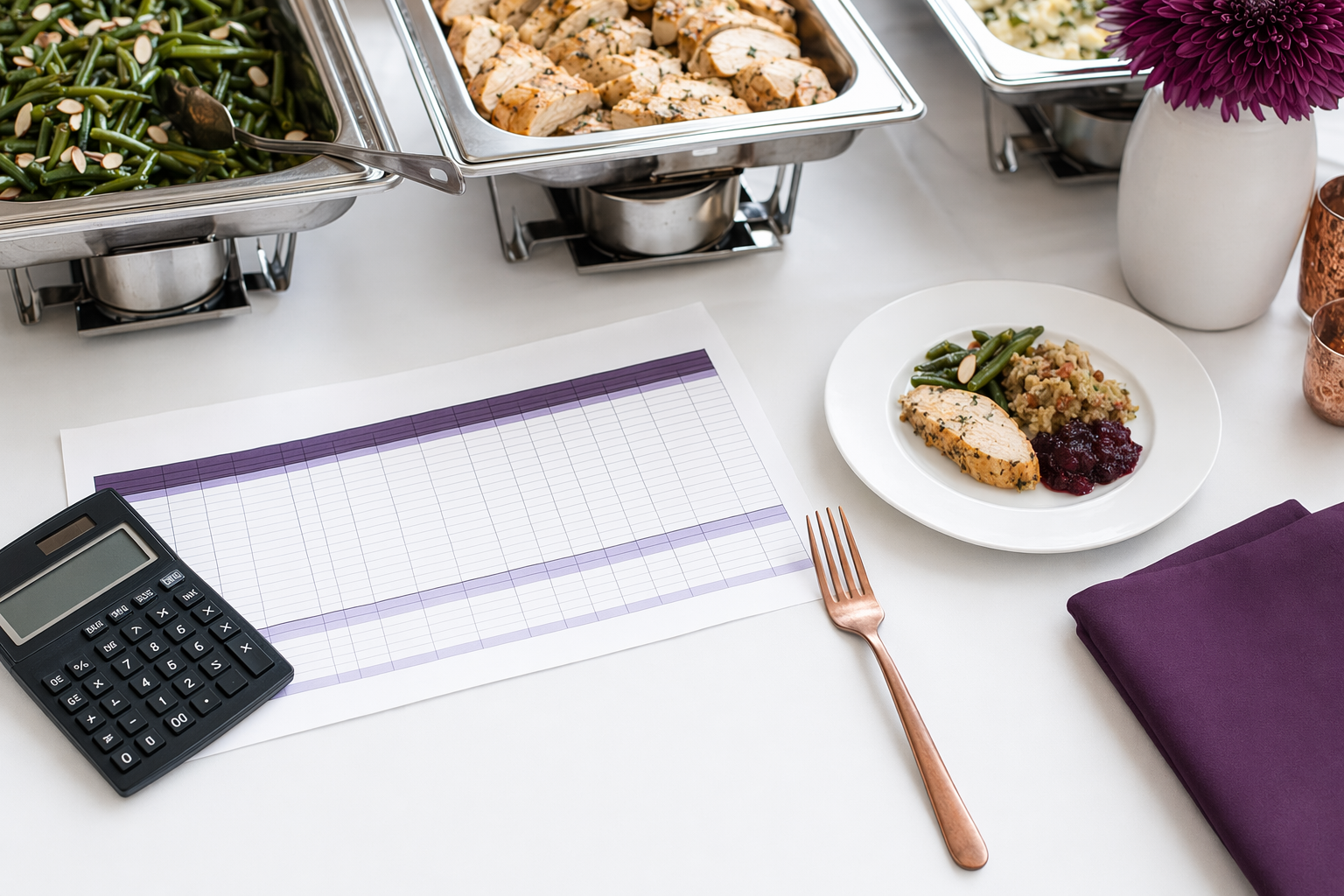
Direct answer: can you negotiate catering prices?
Yes, often you can negotiate *some* parts of the catering price, but not every line item. Caterers tend to set costs based on staffing, food ingredients, rentals, and how much service they’re providing.
A good goal is to negotiate for “value,” not just “cheaper.” That might mean adjusting the menu, choosing a simpler service style, reducing staffing needs, or removing extras you don’t truly need.
Tablefare helps you compare real offers from caterers near you—so you can ask smarter questions and avoid surprises on the final invoice. (We’re a matching service, not the caterer, and we don’t cook or set prices.)
- Tip: ask for the *all-in per-guest total* (including service charge/gratuity) so you know what you’re negotiating.
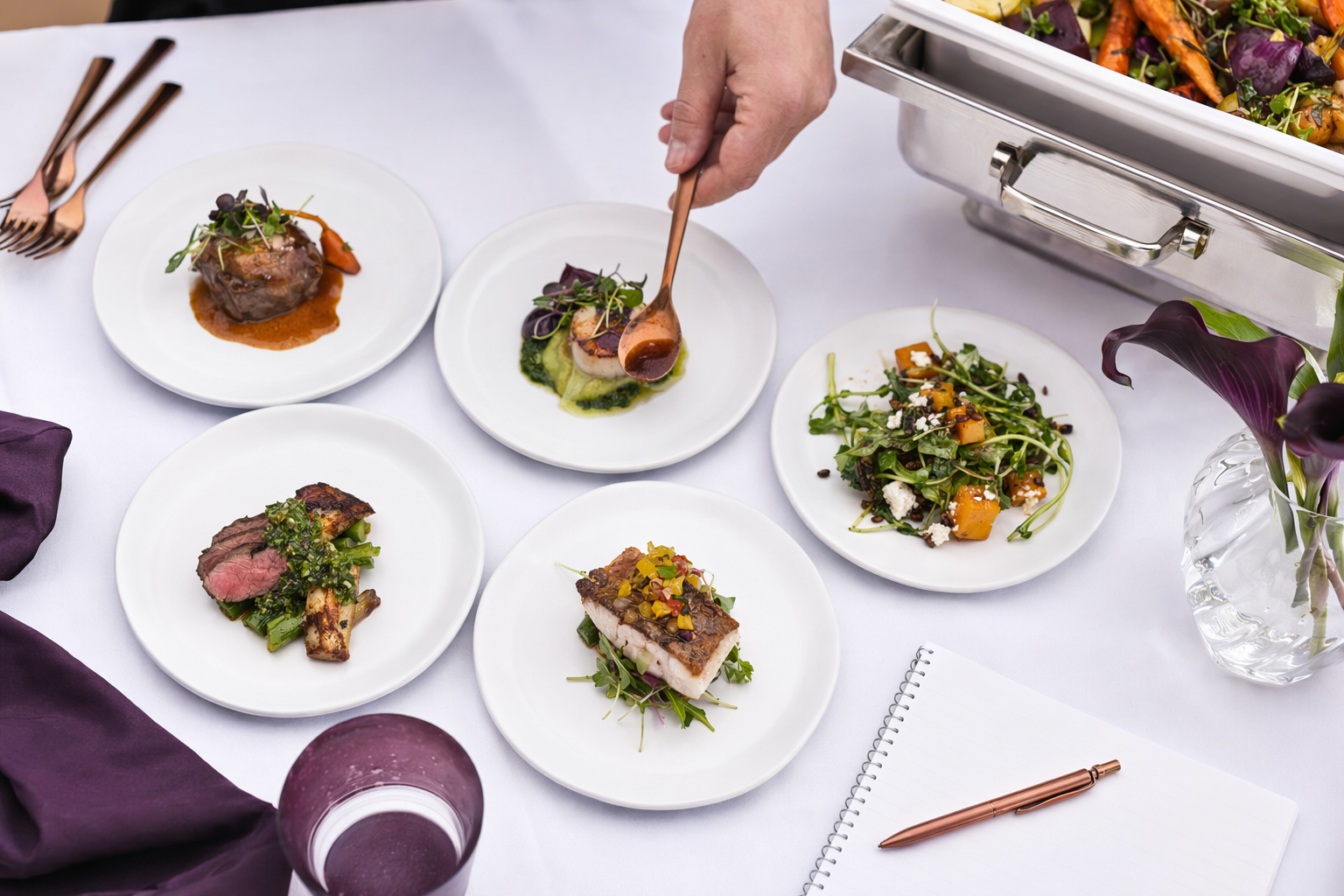
Where negotiation usually works (and where it rarely does)
Negotiation is most realistic on items that are flexible, like the menu or service level. For example, switching from a fully plated dinner to food stations or a drop-off style can lower both food and staffing costs.
Negotiation is less flexible when costs are “locked in,” like specialty staffing requirements, certain rentals, or the caterer’s minimums. Weekend, holiday, and peak season dates can also reduce wiggle room.
If you want to negotiate successfully, come prepared with a clear budget target and a short list of “must-haves” and “nice-to-haves.” That gives the caterer something real to adjust.
- Most flexible: menu choices, service style (plated vs stations vs drop-off), side dishes, drink options.
- Less flexible: staffing minimums, fixed rentals, overtime rules, food-and-beverage minimums.
Typical all-in cost ranges (so you know what’s reasonable)
Catering pricing varies a lot by city, season, menu, and guest count. As a general planning guide, many hosts see rough per-guest totals in these ranges (final numbers depend on what’s included):
- Drop-off (food only): about $12–$35 per person
- Drop-off + some setup/serving supplies: about $25–$55 per person
- Food stations: about $35–$85 per person
- Plated dinner: about $60–$140+ per person
These ranges can swing higher when you add premium proteins, seafood, custom menus, more courses, expensive ingredients, live stations, or full bar service.
To understand your true budget, you’ll also want to look for separate line items like service charge/gratuity, staffing fees, bartender fees, rentals (tables/chairs/linens), delivery/setup, cake-cutting, corkage, overtime, and any deposit or cancellation terms.
- Ranges aren’t quotes—always confirm the exact price per guest and the date in writing before you pay a deposit.
What to ask for when you’re trying to negotiate (copy/paste questions)
When you request quotes, ask for details that let you compare offers fairly. Then you can negotiate based on trade-offs, not guesses.
Consider asking:
1. “What is the all-in per-guest price for food—and what does that include?”
2. “Is there a food-and-beverage minimum? What is it, and how does it apply to my headcount?”
3. “Do you add a service charge/gratuity? What percent or fixed amount is it?”
4. “What staffing is included (servers, attendants), and what are the rates if additional staff are needed?”
5. “Are rentals included (tables, chairs, linens, chafers, serving utensils), or are those extra?”
6. “What are delivery/setup fees? Is there a setup time window?”
7. “If we reduce guest count, does the per-guest price change—and what’s your final headcount deadline?”
8. “How flexible is the menu? What swaps can reduce cost without changing the ‘feel’?”
If you’re unsure where to start, use Tablefare’s matching flow to gather quotes and compare service styles side-by-side. Start with get matched for free and then review the details with a catering cost guide.
- Good negotiation move: ask for 2–3 menu versions (budget / standard / premium) and 1 simpler service option.
Red flags and “fine print” that can blow up your final invoice
Negotiation goes sideways when key costs are hidden in the fine print. Before you commit, look for line items that can materially change the final total.
Common surprises include:
- A service charge/gratuity that’s added on top of the per-guest price
- A food-and-beverage minimum that makes a small guest list feel expensive
- Staffing fees for additional servers or longer service hours
- Bartender fees (and sometimes bartender minimums) if alcohol is served
- Rentals not included (delivery, setup, breakdown, linens)
- Overtime charges if the event runs late
- Cake-cutting fees or corkage fees for outside items
- Deposit amount, final payment deadline, and cancellation fees
If anything is unclear, ask for the full breakdown in writing and request a final invoice estimate once your headcount and menu are locked.
For more planning checklists, browse the guides and compare what each quote includes—not just the headline per-guest number.
- Rule of thumb: you want an “all-in per person” number plus a short list of extra possible fees—so you can budget confidently.
Simple negotiation strategies that keep the relationship smooth
The easiest way to negotiate is to make it easy for the caterer to help you. Bring a realistic budget, your guest count range, and what matters most about the table (taste, portion size, presentation, dietary needs).
Here are practical strategies that usually work:
- Offer a clear trade: “If we switch from plated to stations, can you keep the same protein and reduce the staffing cost?”
- Choose fewer menu items: simplifying can lower prep complexity and reduce waste.
- Adjust drink plans: sometimes beer/wine only is a lower-cost path than full bar.
- Reduce rentals: if your venue already has tables/chafers/serving ware, ask what they can skip.
- Match the service style to the event: a small drop-off can be perfect for birthdays or family gatherings and avoids extra labor.
Remember: you’re not asking for a discount. You’re asking for the best fit within your budget and timeline—based on the caterer’s real costs.
- If you’re planning from another city or your reading language is easier for you, tell Tablefare your preferred language during matching so communication stays clear.
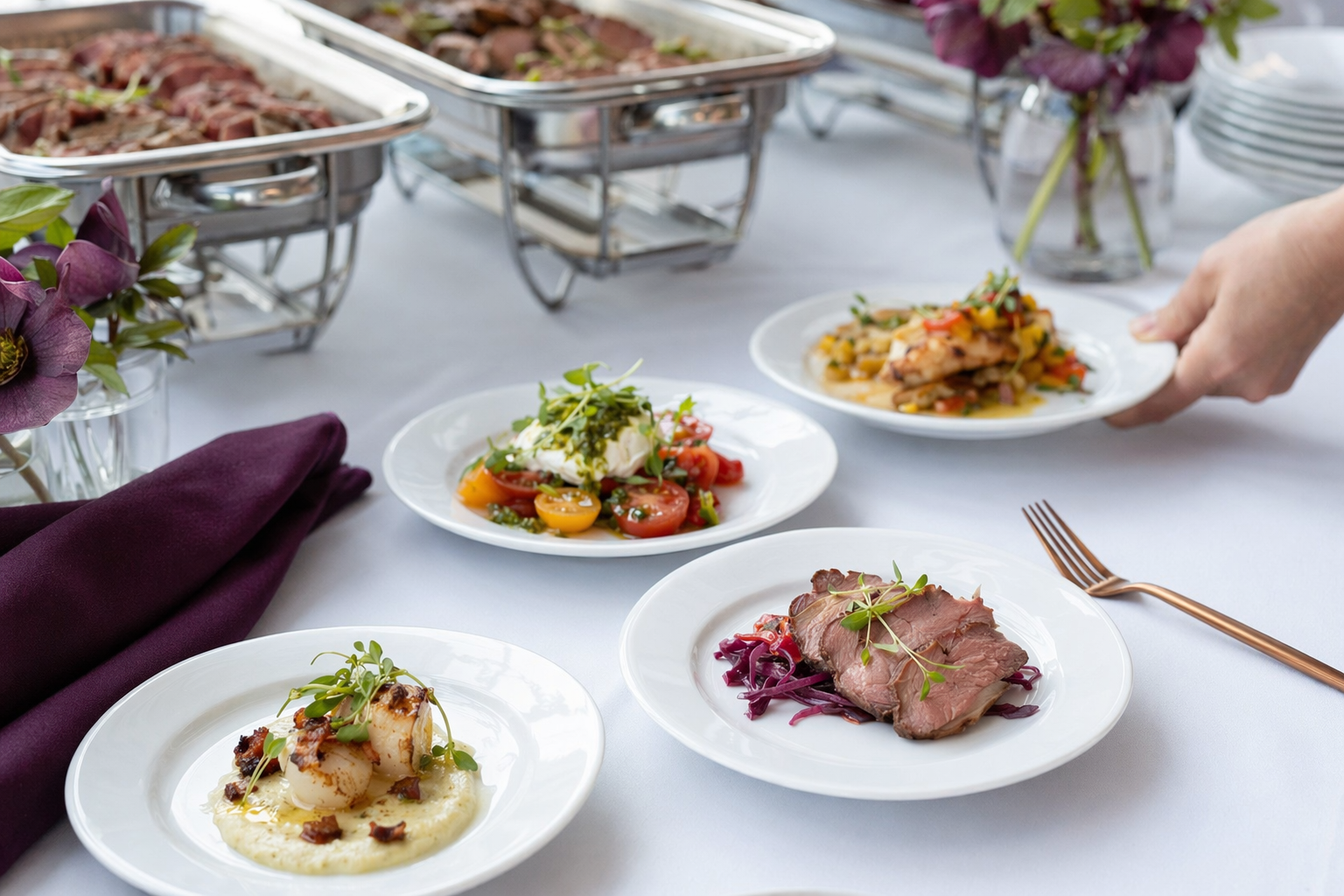
You can often negotiate catering by adjusting menu, service style, and extras, but you’ll get the most accurate “deal” by comparing the all-in per-guest total in writing—Tablefare helps you do that for free.
Common questions
How do I negotiate without sounding rude?
Lead with clarity: your rough budget, your guest count, and what you care about most (for example, “family-style portions” or “halal options”). Then ask for specific trade-offs—like “stations instead of plated”—rather than just “Can you lower the price?”
Can I negotiate the service charge/gratuity?
Sometimes, but it depends on the caterer and how they calculate staffing. Many service charges/gratuities are set policies and not fully negotiable, so ask whether anything in the quote is adjustable (staffing hours, number of servers, service style) instead.
Does negotiating work better for weekdays or smaller dates?
Often, yes. Busy weekends and peak seasons can mean less flexibility. If you can consider a different day or shorter service window, you may find more room to adjust the all-in cost.
What’s the best way to compare quotes when I’m negotiating?
Compare the all-in per-guest total (food plus service charge/gratuity) and list every included item—food, staffing, rentals, delivery/setup, and any minimums. If one quote leaves out rentals or staffing, it can look cheaper but cost more at the end.