How we've helped
New to the US, we catered a cultural feast in our language
This is an illustrative story, not a real named customer. It shows how one host used Tablefare to compare caterers, stay in control of the budget, and find food that felt familiar and welcome.
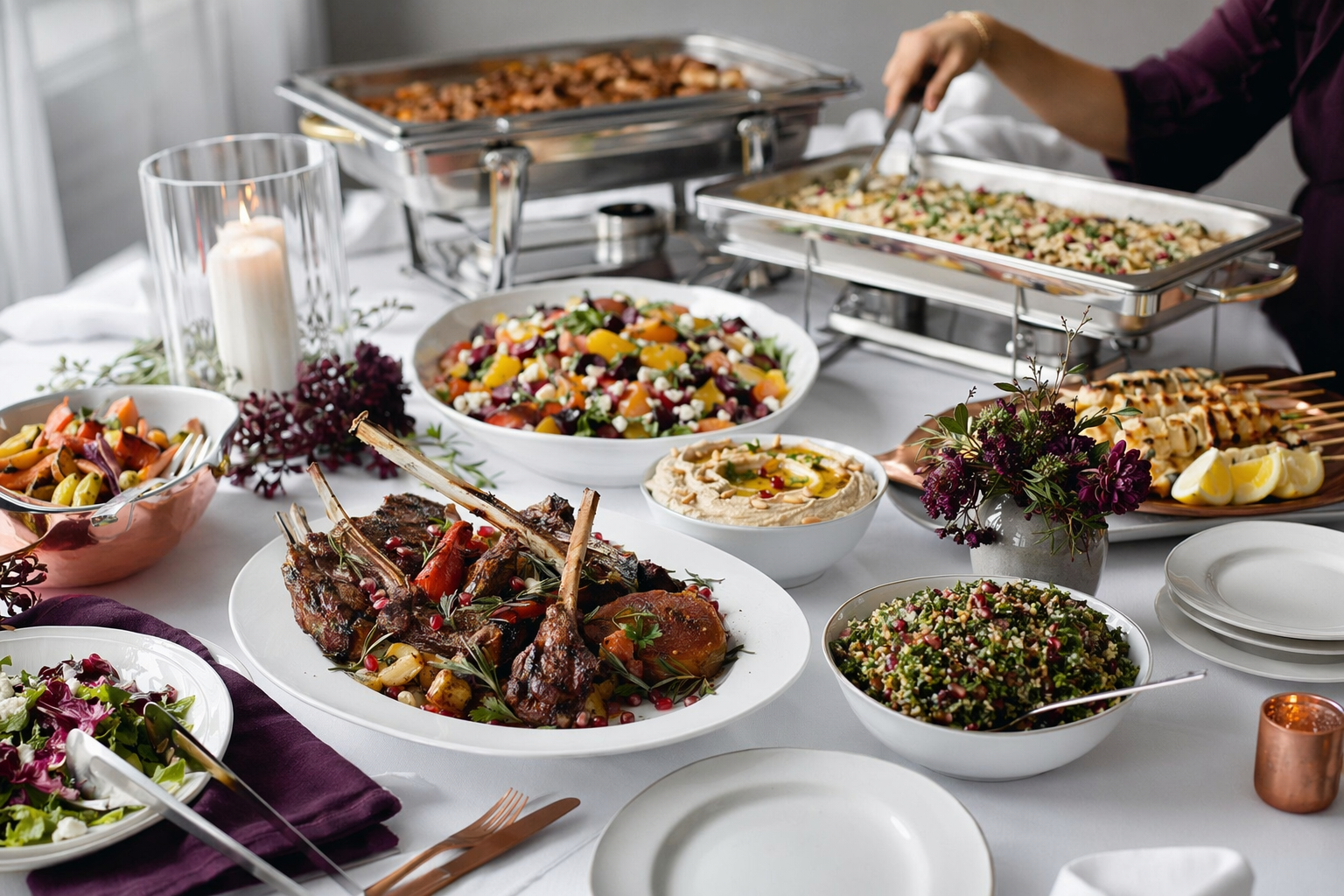
They knew the feeling they wanted
The host had recently moved to the United States and was planning a cultural celebration for family and friends. The guest list was still changing, but the basics were clear: a rough date, a neighborhood, a budget they wanted to protect, and a menu that would feel right in their language and tradition.
They did not want to start from scratch with a long list of calls. They wanted a simple way to say what they needed — event type, city or ZIP, guest count, preferred language, service style, and cuisine — and then compare a few real options without pressure.
That is where Tablefare came in. Tablefare is a free matching service, not a caterer or an event planner. It does not cook, serve, or set prices. It simply helps hosts connect with caterers near them so they can ask questions, compare quotes, and choose what fits.
- Event type: cultural celebration
- Service style: drop-off with some setup support
- Guest count: still rough, but close enough to start
- Preferences: familiar dishes, dietary needs, and communication in their language
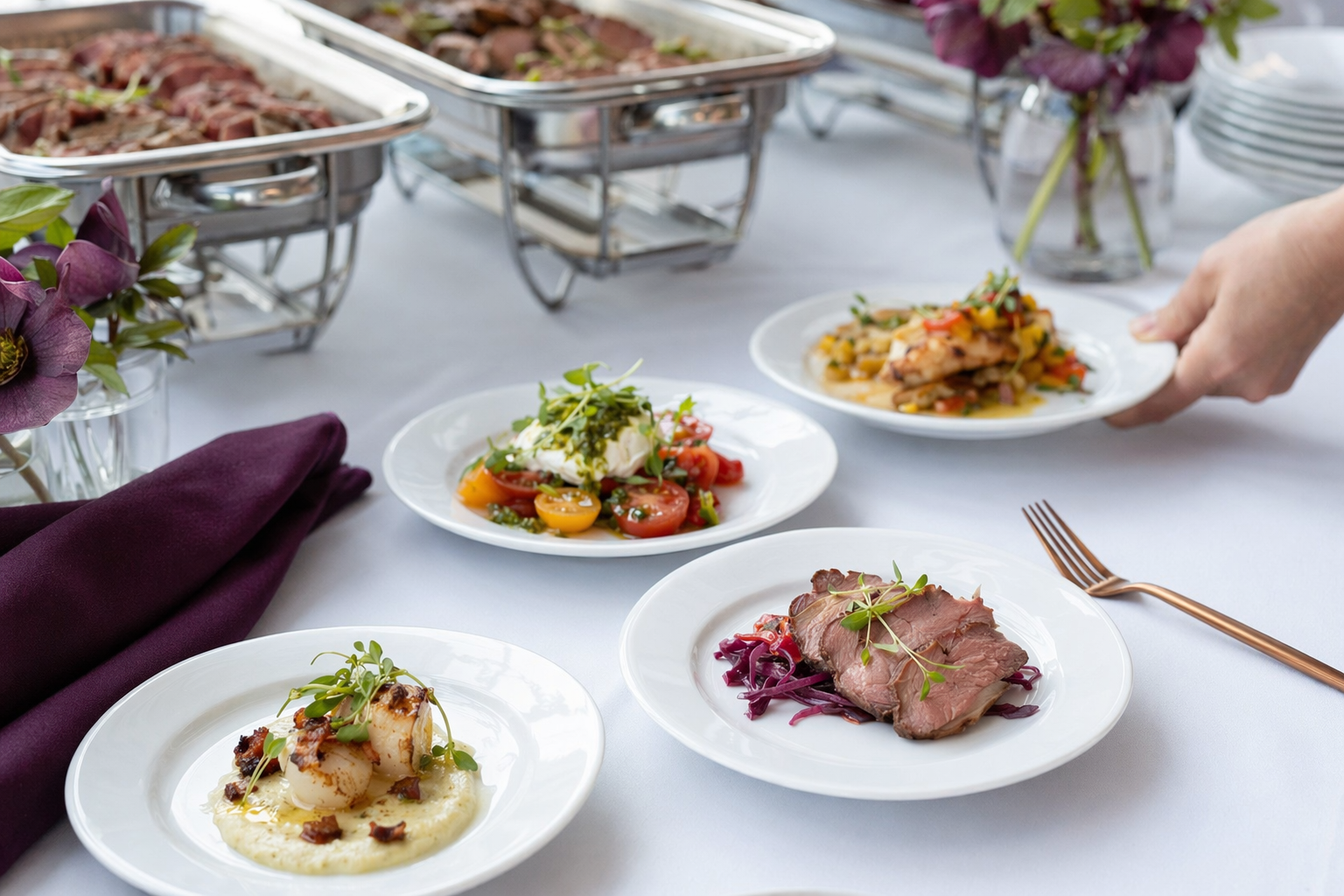
Matching started with the basics
The host filled out only contact and event-intent details: name, phone, optional email, event type, city or ZIP, rough date, rough guest count, service style, cuisine, and preferred language. No financial account numbers, no sensitive records — just the information needed to get matched.
Because the host was most comfortable reading in another language, it mattered that communication could happen clearly. That made it easier to ask about menu style, portion size, delivery timing, and what was included in each quote.
Within a short time, they had several caterers to review. Each one offered something a little different, and that was helpful. The host could compare not only price, but also whether the food felt authentic to their table and whether the caterer understood the event’s customs and timing.
- Ask what the quote includes: food, delivery, setup, staffing, rentals, and taxes or service charges if any
- Confirm the final guest count deadline before you sign
- Compare the all-in cost per guest, not just the menu price
The quotes looked different for good reasons
The host learned something that many first-time planners learn the hard way: catering quotes can look very different even when the menu seems similar. One caterer had a lower per-guest price but charged separately for delivery and setup. Another included more service and staffing, but the total was higher. A third had a food-and-beverage minimum, which can matter when the guest list is small.
For a cultural meal like this, the host also asked about specialty ingredients, halal or kosher handling if needed, allergy awareness, and whether the caterer could keep dishes separate for vegetarians or gluten-free guests. Those details can change the final cost, but they also protect the table and help every guest feel included.
In many US markets, a simple drop-off spread might land around $15–$35 per guest, while a more full-service meal can run about $35–$80+ per guest. For plated service, staffed stations, or events with rentals and bar service, the total can rise much higher. The exact number depends on the menu, service style, guest count, day and season, city, and what is included. Those ranges are not quotes.
- Lower per-guest prices can still end up costing more once delivery, setup, or staffing is added
- Small guest counts often cost more per person than larger ones
- Weekends, holidays, and busy seasons can push prices up
They chose the caterer that fit the table
The host did not pick the cheapest option. They picked the one that felt balanced: food that matched the culture and guest list, a caterer who could communicate clearly, and a quote that stayed inside the real budget once all the basics were included.
What helped most was being able to compare apples to apples. The host asked each caterer to put the price per guest, the service style, the final-headcount deadline, and any extra fees in writing. They also reviewed the contract and the final invoice carefully before paying a deposit or signing.
That is the part that gave them peace of mind. They stayed in control. They tasted where possible, compared the all-in cost, and chose the caterer who fit the event instead of forcing the event to fit the caterer.
- Confirm the date and price in writing
- Read the full contract before paying any deposit
- Ask about cancellation terms, overtime, staffing, rentals, corkage, and cake-cutting fees if those apply
What this story shows for your own event
Whether you are planning a wedding, office lunch, memorial reception, birthday, holiday meal, or a small drop-off gathering, the process is similar: start with what you know, get matched, compare, and choose.
You do not need a finished guest list or a perfect plan to begin. A rough date, a rough count, a city or ZIP, and the food style you want are enough to start the conversation. From there, Tablefare helps you reach caterers near you at no cost to you.
If you want to see the steps, the how it works page explains the process simply. If you are ready to start, you can get matched. And if you are still choosing the kind of gathering you are planning, browse more event ideas.
- Free for the host
- Helpful for multilingual planning
- Best for comparing real quotes before you commit
A host used Tablefare to compare caterers in their language, check the real all-in cost, and choose food that fit their culture, guests, and budget.
Common questions
Is this a true customer story?
No. It is an anonymized, illustrative example meant to show how the process can work for a host planning a cultural event.
Does Tablefare set catering prices?
No. Tablefare is a free matching service, not a caterer or planner. Caterers set their own prices and contracts, and you compare the options they send you.
What details do I need to get matched?
Usually just contact information and event intent: your name, phone, optional email, event type, city or ZIP, rough date, rough guest count, service style, cuisine, and preferred language.
What should I check in a catering quote?
Look for the price per guest, food-and-beverage minimums, service charges or gratuity, staffing and bartender fees, rentals, delivery and setup, cake-cutting or corkage, overtime, deposit, final-headcount deadline, and cancellation terms.