Service styles
Plated, served dinner catering
Plated dinner catering is the classic sit-down meal: guests are seated, courses come out in order, and servers handle the table. It can feel polished and calm, but it usually costs more than buffet or drop-off because staffing, timing, and rentals matter.
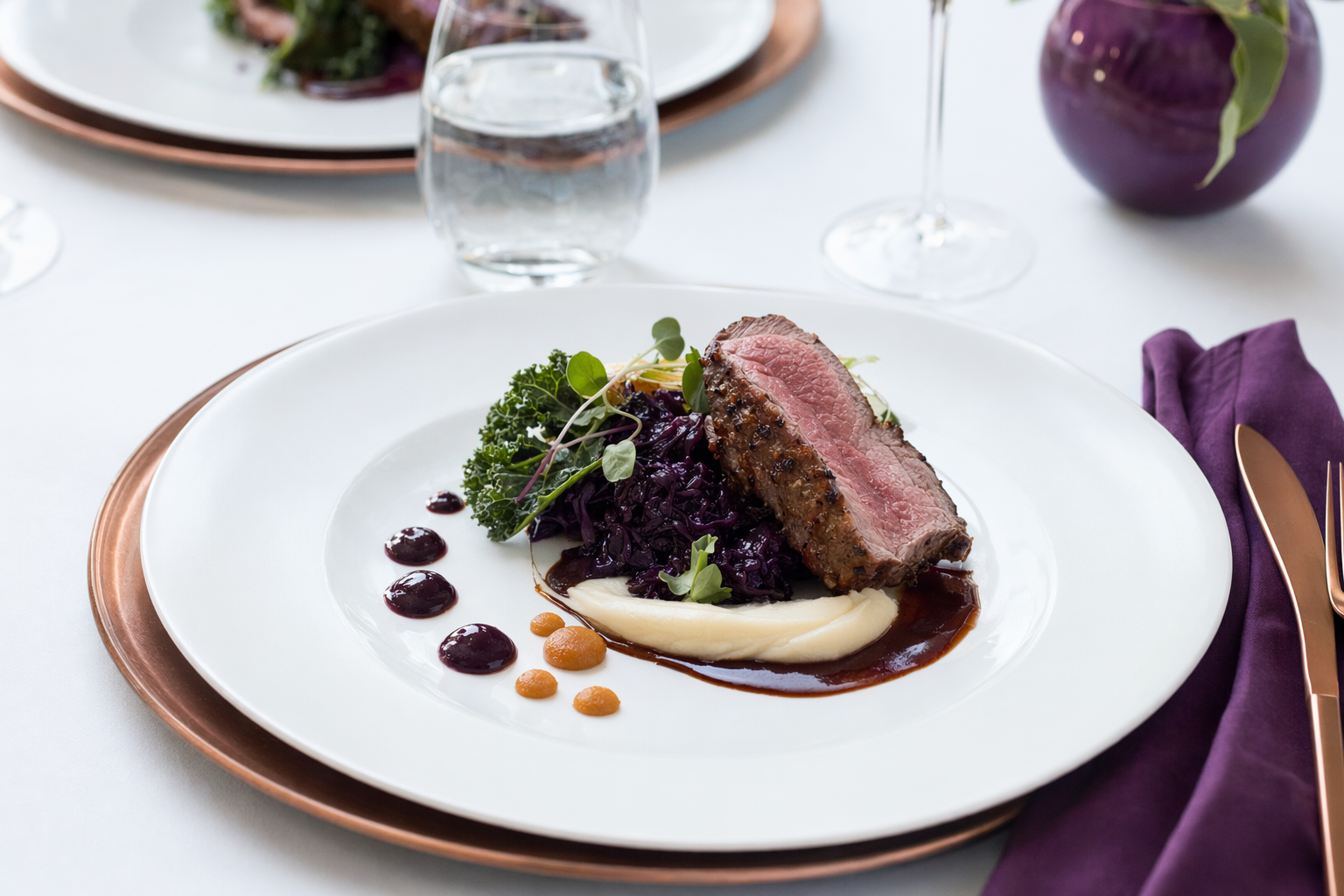
What plated dinner catering is good for
A plated, served dinner fits events where you want a more structured meal and a clear timeline. Weddings, galas, fundraisers, formal family celebrations, and some corporate dinners often use this style because everyone is served at their table and the room moves together.
Picture guests seated with place settings ready, servers bringing a first course or salad, then an entree, and sometimes dessert or coffee service. This style can feel elegant, but it is also practical for speeches, toasts, and events where you want less movement around the room.
It is not always the cheapest choice, and it is not always the easiest choice for a very casual crowd. But if you want a more polished pace, cleaner lines in the room, and less waiting in buffet lines, plated service can be the right fit.
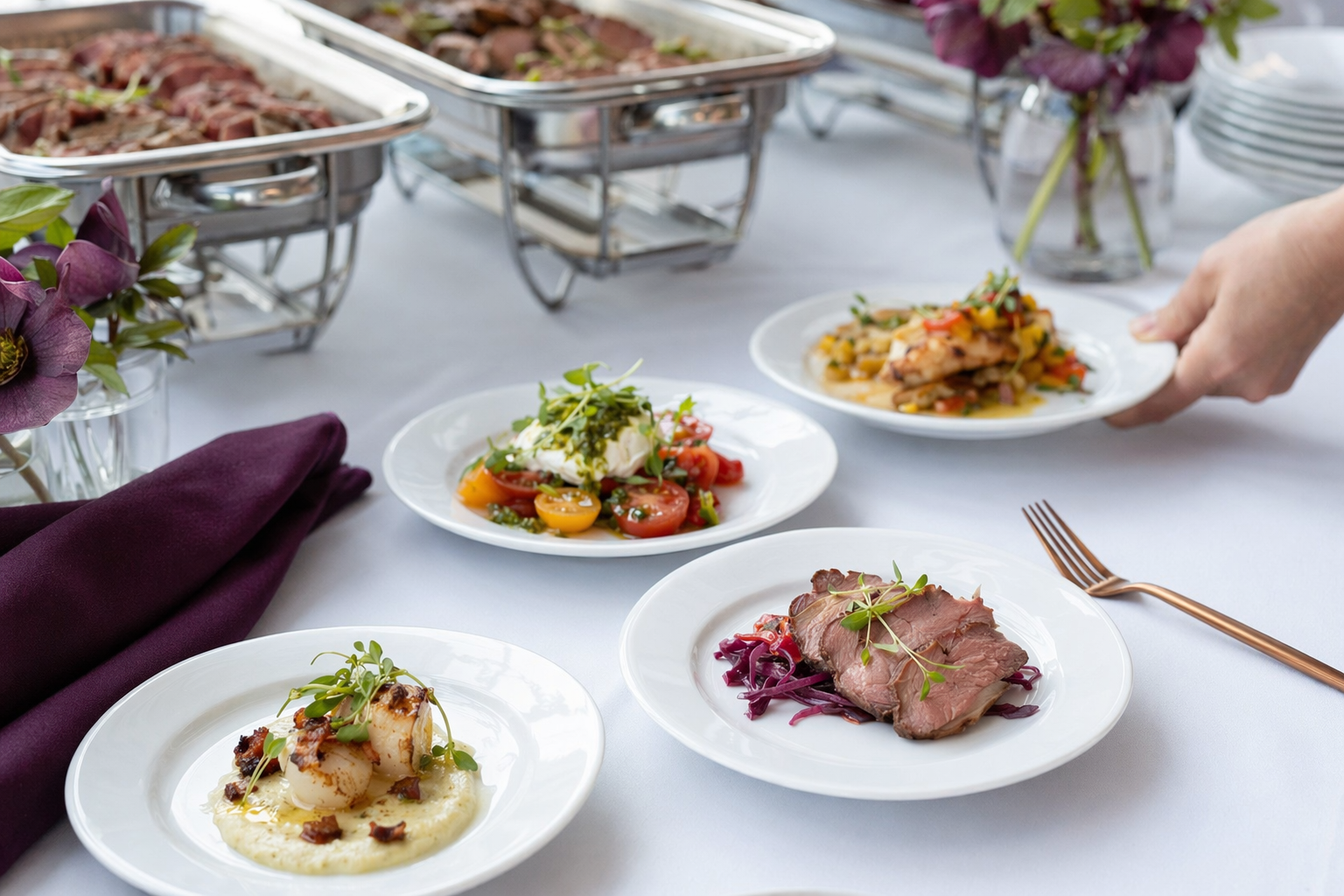
What you pay for with a plated meal
With plated service, you are paying for more than food. You are also paying for labor, timing, and coordination. Meals need to be finished and served hot, often to many guests within a short window, which usually means a larger service team and more kitchen organization than a simple drop-off meal.
A common general range for plated dinner catering in the U.S. is about $40-$120+ per guest, and it can go higher for premium menus, major cities, weddings, multi-course service, or bar service. A simpler one-course plated meal for a smaller weekday event may land toward the lower end. A formal wedding with passed appetizers, multiple courses, rentals, and late-night staffing may land much higher. These are not quotes.
What moves the number up or down: the menu, the service style, the guest count, the day and season, the city, and what is included. Steak, seafood, specialty desserts, custom children's meals, and allergy-sensitive prep can raise the cost. Saturday evenings in peak season often cost more than weekday lunches. Smaller guest counts can have a higher per-guest number because labor and transportation still have to be covered.
The real total may also include things outside the menu price. Ask about staffing, bartender fees if alcohol is served, rentals, delivery and setup, service charge or gratuity, overtime, cake-cutting, corkage, tax where applicable, and any food-and-beverage minimum. Always compare the all-in cost per guest, not just the menu line.
What to ask before you book
Plated dinners depend on details. Two caterers can offer a similar entree price but include very different things. One may include china, flatware, water service, coffee, and enough servers. Another may price the food only and charge separately for every staffing and rental item.
Ask how many courses are included, how many entree choices guests may have, and how meal selections are collected and marked. If you want guests to choose chicken, fish, vegetarian, or vegan meals in advance, confirm how that is tracked on the event day. If you want tableside wine, bread service, or children's plates, ask whether those are included or added.
Ask about staffing ratios and timing. How many servers will be on site for your guest count? Who clears plates? Who pours water and coffee? How long does it usually take to serve the full room? If your venue has a small kitchen or no kitchen at all, ask whether the caterer can work well in that space and whether extra equipment fees apply.
Before you pay a deposit or sign anything, confirm the price per guest and the date in writing. Then read the full contract and final invoice carefully. Check the deposit amount, final-headcount deadline, cancellation terms, overtime, substitutions, and what happens if your guest count changes.
Fine print that matters with plated service
Plated meals have more moving pieces than drop-off catering, so the fine print matters. One big item is the final guaranteed guest count. Caterers usually need that number before the event so they can order, prep, staff, and set the room. If a few extra guests show up, ask how they handle that. If your count drops, ask whether you still pay on the guaranteed number.
Another big item is rentals. If your venue does not already provide tables, chairs, linens, china, glassware, flatware, or serving equipment, those costs can add up quickly. The same goes for kitchen access, ice, coffee equipment, or extra prep tents for outdoor events.
Timing can also change the invoice. If dinner service starts late because the ceremony ran long or speeches went over, staffing may stay longer. That can mean overtime or extended labor charges. If alcohol is part of the event, ask whether bartenders, mixers, garnishes, permits required by the venue, and cleanup are separate.
This is general information only, not legal or financial advice. The caterer's own contract is what controls the details, so read it fully and ask questions about anything that is unclear.
When plated dinner may not be the best fit
Plated service is lovely, but it is not the right answer for every event. If your priority is keeping the budget lower, offering many cuisines at once, or giving guests a lot of flexibility, a buffet, stations, or a simpler drop-off catering setup may make more sense.
It can also be harder when your guest list has many last-minute changes, many children who eat at different times, or a venue with limited kitchen support. Some hosts love the look of a plated dinner but choose a hybrid instead, like plated salad with buffet entrees, or passed appetizers followed by stations.
If you are still deciding, it helps to compare styles side by side. You can explore other event catering options and review broader catering cost guides before you choose.
How Tablefare helps you compare plated dinner caterers
Tablefare is a free matching service, not a caterer, restaurant, or event planner. We do not cook, serve, or set catering prices. We help you get matched with caterers near you that handle events like yours so you can compare options yourself.
You share basic event details only: your name, phone, optional email, event type, city or ZIP, rough date, rough guest count, service style, cuisine, and preferred language. We do not ask for bank details, Social Security numbers, immigration documents, or other sensitive records.
Once you connect with caterers, stay in control. Taste or sample where possible, compare the all-in cost per guest, ask what is included, and choose who serves your table. A good next step is to get matched and ask each caterer for the same core details in writing so you can compare clearly.
A simple checklist to ask each caterer:
- What is the estimated all-in per-guest cost for my guest count?
- How many courses and entree choices are included?
- What staffing is included, and for how many hours?
- Are rentals, delivery, setup, cleanup, and dessert service included?
- What is the food-and-beverage minimum, if any?
- When is the final headcount due?
- What deposit, cancellation terms, and overtime rules apply?
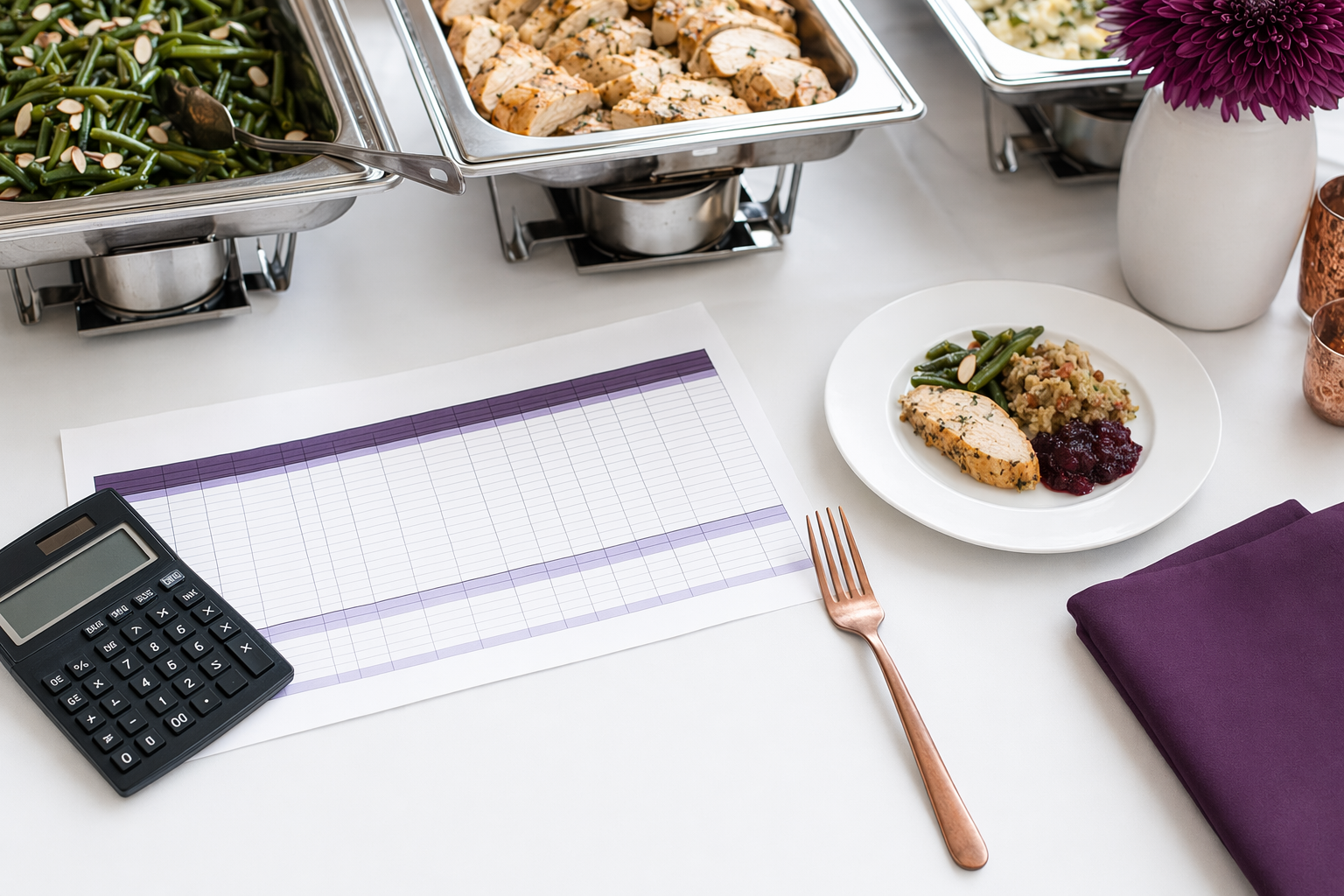
Plated dinner catering can feel polished and smooth, but it usually costs more because service, staffing, timing, and rentals all matter.
Common questions
How much does plated dinner catering usually cost per person?
A common general range is about $40-$120+ per guest in the U.S., with some events lower or much higher depending on the menu, service style, guest count, city, season, and what is included. That range is not a quote, and the all-in total may also include staffing, rentals, delivery, and other fees.
Why is plated catering usually more expensive than buffet catering?
Usually because it needs more labor, tighter timing, and often more rentals. You are paying for coordinated table service, plate clearing, and a meal that comes out in order and at the right temperature.
Can guests choose different entrees with plated service?
Yes, many caterers offer two or three entree choices plus a vegetarian or vegan option. Ask how guest selections are collected ahead of time and how the staff identifies each meal on the event day.
What extra fees should I watch for with a plated meal?
Common add-ons include service charge or gratuity, staffing and bartender fees, rentals, delivery and setup, overtime, cake-cutting, corkage, deposit terms, and cancellation terms. Confirm the full price per guest and read the final invoice and contract before paying a deposit.
Does Tablefare book the caterer for me?
No. Tablefare is a free matching service. We help you connect with caterers near you, and you compare, ask questions, and decide who to book.
What information do I need to get matched?
Just basic contact and event details: name, phone, optional email, event type, city or ZIP, rough date, rough guest count, service style, cuisine, and preferred language. That is enough to start the conversation.