Free downloads
Dietary Needs Planning Sheet
Get your Tablefare Dietary Needs Planning Sheet—an easy checklist you can fill out for every guest. Then share the clear, organized notes with caterers so dietary needs are handled correctly.
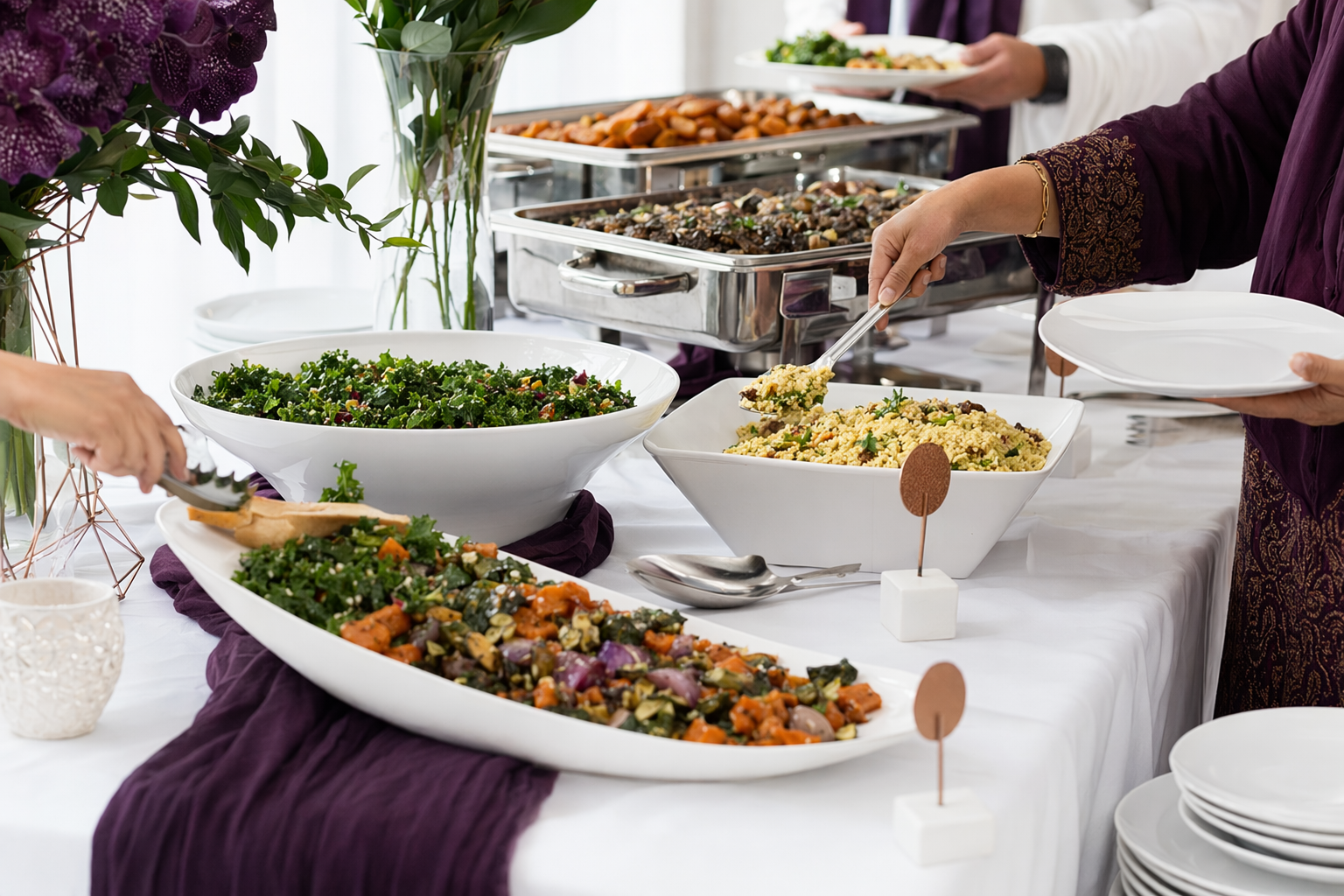
What’s in the Dietary Needs Planning Sheet
This free downloadable sheet helps you collect dietary needs in one place—so you don’t rely on memory or scattered text messages.
You’ll use it to list each guest and flag what they need, including halal, kosher, vegan, vegetarian, gluten-free, lactose-free, nut-free, egg-free, and other common preferences. It also includes space to note allergies (and any “how serious is it?” details you already know), plus where those needs may affect ingredients and cross-contact.
You can also note your overall service style—full-service, drop-off, food stations, or plated—so caterers can plan the right kitchen setup and timing. And there’s room to write down what you want to serve (or avoid) for the event table.
Important: Tablefare isn’t a caterer, restaurant, or event planner. This sheet is just a host tool to help you communicate clearly—final decisions and safety steps belong in the caterer’s own process and in writing.
- Guest-by-guest dietary tracking (simple, not overwhelming)
- Allergy and restriction notes you can copy into caterer conversations
- Space to match needs to your service style (stations, plated, drop-off)
- A clean summary you can share quickly
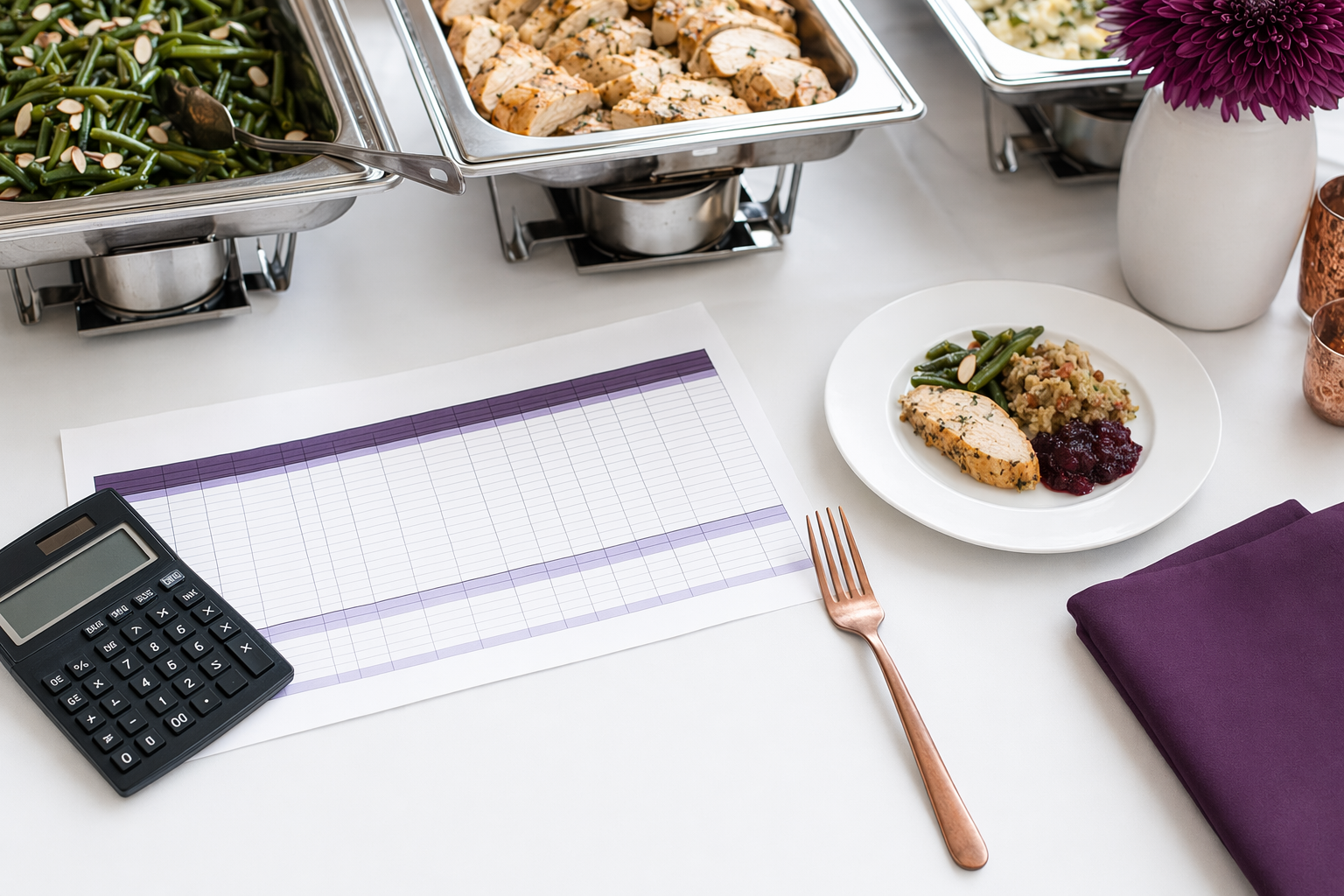
Who this sheet helps (and why it matters)
This is for you if your guest list is growing, you’re not sure how to ask about diets, or you’ve ever worried that “someone might be allergic.” It’s especially useful if you’re planning from another city—or if you want written notes for caterers to avoid confusion.
Dietary needs can change as RSVPs come in. A planning sheet keeps your requests consistent, so you can give accurate counts when caterers ask for headcount details, menu confirmations, or any food-and-service requirements.
Even if your caterer is very experienced, clear info helps them price and plan correctly. It can affect what they prepare, how they handle ingredients, whether separate tools or storage are needed, and how they prevent cross-contact.
This is general information only. For allergy safety decisions or medical guidance, work with the caterer and—when appropriate—licensed professionals.
- Hosts with allergies, religious dietary needs, or multiple restrictions
- Anyone who wants consistent notes across languages and conversations
- People planning for a wedding, office event, birthday, cultural celebration, or memorial reception
How to use it when comparing caterers
Use the sheet before you ask for quotes, during menu planning, and again when you confirm details. That way you can compare apples to apples.
1. Fill out your guest dietary needs as best you can
- Start with what you already know from RSVPs or family/friends.
- Add “pending” where you still need confirmation, so it’s clear what’s settled vs. not.
2. Turn your notes into “caterer-ready” questions
- Circle any serious allergies.
- Mark any dietary categories that require specific handling (for example, kosher preparation, halal requirements, gluten-free separation).
- Note the service style you want (stations vs. plated can change how food is handled).
3. Share it with each caterer the same way
- Send the same sheet (or the same summary page) to every caterer you’re comparing.
- Ask them to confirm: what they can accommodate, what steps they use, and what changes (if any) they’d make to the menu.
4. Compare the all-in cost, not just the per-guest number
- Pricing can rise when the menu includes specialty items or when separate handling is required.
- Don’t forget non-food items like staffing, delivery/setup, rentals, and any service charges.
5. Confirm everything in writing
- Ask for the final per-guest price (and what’s included), any food-and-beverage minimums, and the deposit and cancellation terms.
- Read the final invoice carefully before paying.
If you want help thinking through pricing, start with our event costs guide, and if you’re ready to request quotes, you can use get matched. You can also browse our guides for practical hosting checklists.
- Send the same dietary sheet to each caterer for fair comparisons
- Ask what’s included for dietary accommodations and what could change later
- Confirm costs and policies in writing before you pay a deposit
What can affect cost (and why it shows up in your caterer comparison)
Dietary accommodations are one of the most common “hidden” reasons event food prices swing. Two menus can look similar on paper but cost differently once ingredient prep, portioning, and kitchen handling are included.
Here are common factors that can change per-guest pricing (these are general ranges, not quotes):
- Service style: Drop-off often costs less than full-service, and food stations can land anywhere depending on staffing and setup.
- Menu complexity: Specialty items (gluten-free breads/pasta, allergen-friendly desserts, multiple sauces) can raise costs.
- Cross-contact precautions: If separate handling is needed, staffing and prep time can increase.
- Guest count and timing: Larger counts usually bring better efficiencies, but can also require more stations, more staff, or multiple batches.
- Day and season: Weekends and holidays often cost more.
- What’s included: Delivery, setup, staffing, linens/rentals, beverages, cake-cutting, and overtime can all move the total.
As a rough starting point, many hosts see food-only per-guest ranges (before beverages and service add-ons) that might fall around $15–$45+ depending on the menu and region, while full-service events can be higher once staffing and rentals are included. The real number depends on your menu, guest count, city, and exactly what’s included—so use ranges to plan your budget, then confirm the real all-in cost from each caterer.
The sheet helps you bring the “dietary details” into the conversation early, so caterers can price accurately and you can compare fairly.
- Dietary accommodations can increase labor and ingredient costs
- Costs also change based on staffing, rentals, delivery, and beverages
- Ranges help budgeting—confirm the final all-in price in writing
Before you download: a couple of quick notes to keep things clear
This sheet is designed to collect information so your caterer can plan. It doesn’t replace the caterer’s policies, training, or kitchen procedures.
If you have guests with severe allergies, ask caterers how they handle cross-contact risk and what they can guarantee. For kosher/halal needs, ask what certifications or processes they follow (and whether they can meet your expectations).
When you compare, look for clarity: what options they’ll provide for each dietary group, how those items will be prepared, and how many servings are planned. Then ask for the final details in writing.
If you’d like, you can also pair this sheet with a pricing review using cost planning so you’re not surprised by items like service charges/gratuity, staffing and bartender fees, rentals, delivery/setup, cake-cutting, corkage, overtime, or final-headcount deadlines.
- This is a communication tool—caterers confirm and handle the details
- Ask for clear written answers for allergies and religious dietary requirements
- Use the sheet + cost guide together for fewer surprises
Fill out this free sheet for every guest’s dietary needs, then share it with caterers so you can plan menus and compare accurate all-in costs.
Common questions
Do I need to list every dietary preference for every guest?
List what you know for each guest, especially allergies and strict needs. If someone is “maybe” or “not sure,” mark it clearly so you (and the caterer) can follow up later.
Is this sheet a guarantee that my catered food will be allergy-safe?
No—this is a host planning and communication sheet, not a safety guarantee. Caterers handle food safety with their own procedures, so ask them detailed questions and confirm answers in writing.
What should I ask caterers after I share this sheet?
Ask what they can accommodate, how they prevent cross-contact, whether they can offer dedicated options for gluten-free/halal/kosher/vegan needs, and whether any staffing, ingredient, or handling steps will change your all-in cost.
How does dietary info affect cost?
Dietary needs can raise costs through ingredient choices, extra prep time, separate handling, and additional staffing—especially for allergy-aware requests. Use cost ranges to budget, then compare the all-in per-guest price and the full invoice details.